Apr 17, 2026
Key Considerations for a Successful Portal Launch
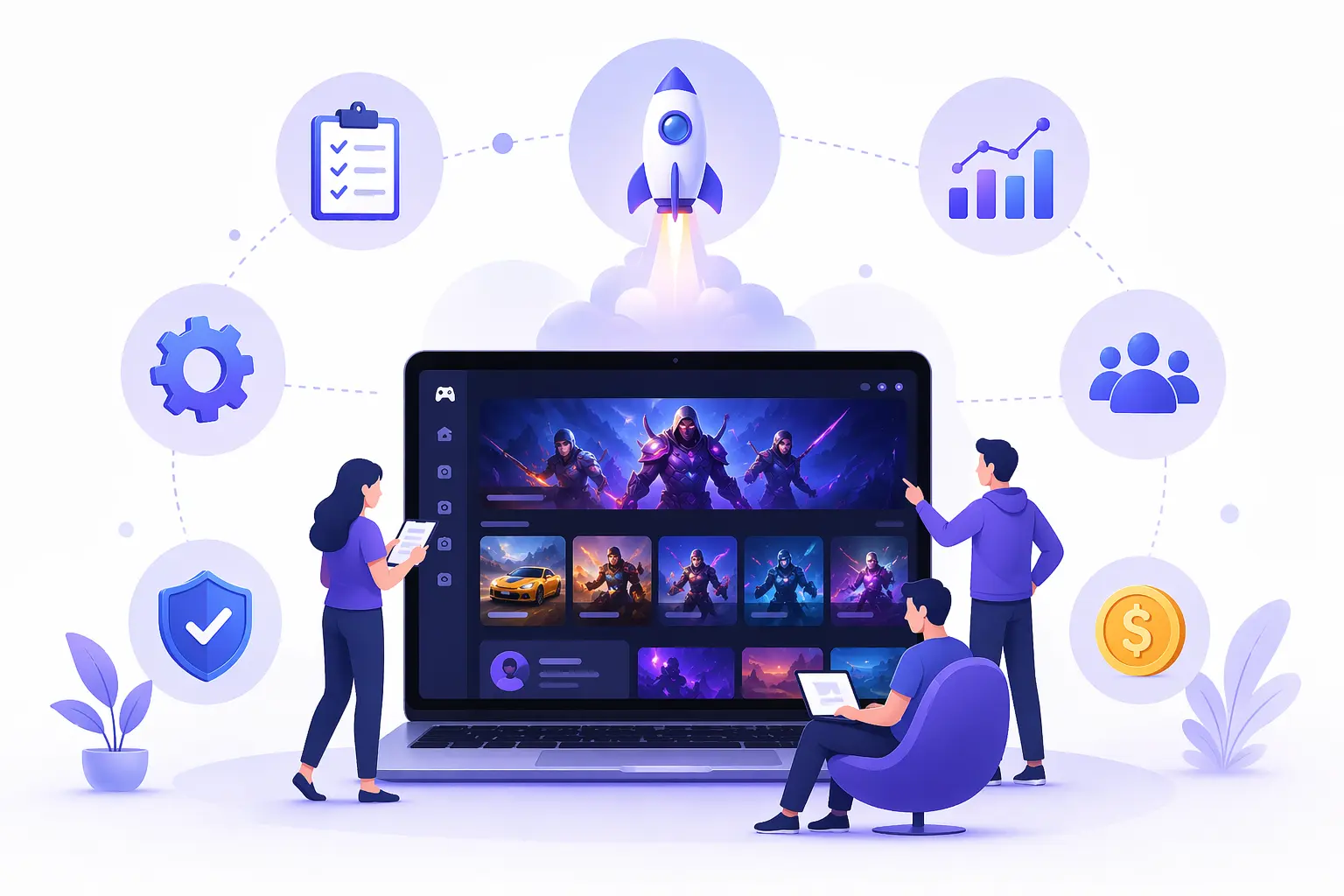
Are you a driven manager planning to launch a new game portal that meets your business goals? Looking to boost user engagement, attract more players, and improve retention?
Before you dive into building your platform, there are a few important things to consider. From understanding how portals actually work to preparing the right mix of games, having a clear foundation makes all the difference, especially if you’re just getting started.
And while choosing the right games is crucial, how you manage your portal matters just as much. That’s why it’s worth exploring the DOs and DON’Ts of Gaming Portal Management before you begin.
This guide will walk you through the essentials—helping you build a sustainable and successful gaming portal. Whether it’s audience research, technical setup, or creating a user-focused experience, you’ll get a clearer picture of what it takes to make your platform grow.
Table of Contents:
Understanding Your Target Audience
Key Strategic Considerations
Building a User-Centric Experience
Technical and Infrastructure Considerations
Final Thoughts
1. Understanding Your Target Audience
Get to Know Your Audience Before You Build
Before launching your game portal, one of the most important steps is understanding exactly who you’re building it for. A clear picture of your target audience helps you deliver the right content, in the right way.
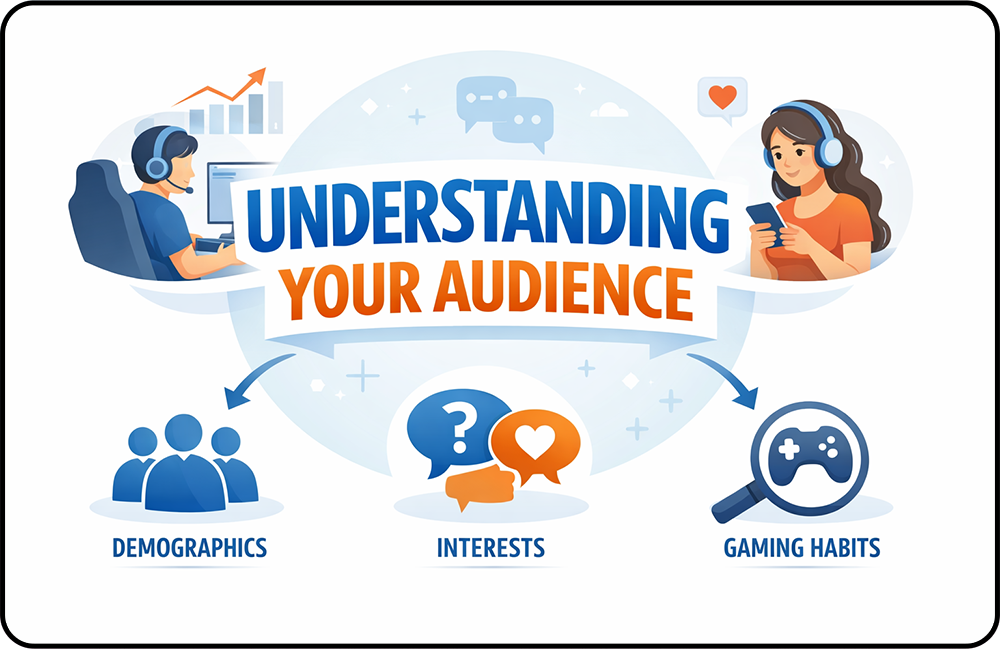
When you truly understand your users, you gain valuable insights into their preferences, habits, and expectations. This includes key demographic factors like age groups, cultural background, location, and more. For example, older players may lean toward strategy-based games, while younger audiences often prefer fast-paced, action-driven experiences. But demographics are just one part of the story. The gaming audience is incredibly diverse in terms of interests as well. Some players enjoy competition and challenges, while others are more interested in social interaction or casual entertainment.
Recognizing these differences and designing your portal to support them—can make a huge impact. The better you align your platform with your audience’s needs, the more engaging and inclusive your gaming experience will be.
Why Diversity Matters in Game Portals
Another key factor that deserves close attention is cultural diversity among your players. Culture plays a major role in shaping not only a game’s storytelling and visual style, but also the expectations and values players bring to your platform. When games reflect cultural preferences and sensitivities, they tend to reach a wider audience and receive a more positive response.
That’s why it’s important not to overlook cultural considerations when designing your portal or selecting games. One effective way to adapt your content is through localization. Many game providers offer localization services that help tailor content to different regions, languages, and cultural contexts.
By using these services, you can ensure your portal feels relevant and respectful to diverse audiences—while avoiding content that might unintentionally offend cultural beliefs.
Designing Accessible and Inclusive Game Portals
Recognizing that players have different physical and cognitive abilities, it’s important to build your portal with inclusivity in mind. Gaming should be accessible to everyone, so your platform should support a wide range of needs through both game selection and design. Choose games that not only look appealing and play well, but also include accessibility features that make interaction easier for players with disabilities.
Some important features to look for include colorblind modes, adjustable text sizes, and alternative control options. Beyond the games themselves, your portal’s UI/UX should also be designed with accessibility in focus. By prioritizing inclusivity, you can create a more welcoming experience and keep a broader range of players engaged on your platform.
2. Key Strategic Considerations
1. Budget Planning for Your Game Portal
Budget plays a critical role in determining the success of your gaming portal—it’s not just about spending money, but about spending it wisely. Think of your budget as a roadmap that guides where and how your resources should be allocated. Without proper planning, it’s easy to overspend, which can put your platform’s long-term sustainability at risk.
Launching and growing a portal involves several cost areas. Whether it’s partnering with influencers, running marketing campaigns, or organizing in-game events, these efforts require financial investment. That’s why careful budgeting is essential. It helps you manage these expenses effectively while ensuring your platform continues to grow without financial strain. It’s also important to remember that limited budgets can impact both product quality and marketing performance. Finding the right balance between your available resources and expected costs allows you to maximize impact without compromising on quality.
To stay efficient, consider strategies like choosing high-quality game bundles that offer better value for money. Bulk purchasing can also be beneficial, as buying more games often leads to better discounts—saving both time and cost in the long run.
2. Revenue First: Planning Monetization Early
At its core, every business aims to generate revenue and a game portal is no different. Monetization should be a key focus right from the start. There are multiple ways to earn from your platform, and as a portal manager, it’s important to evaluate which methods align best with your business goals. The right approach depends on your audience, content, and overall strategy. That said, you’re not restricted to a single monetization model. In many cases, combining multiple methods can be more effective—allowing you to diversify income streams and maximize your earning potential.
In-App Payments (IAP)
This model allows players to spend real money on in-game items, making it a powerful revenue driver when used correctly. However, it’s important to present these purchases in a way that enhances the gameplay rather than disrupts it.
IAP works best in highly engaging games with strong player retention. When players are invested, they’re more likely to spend on upgrades, boosts, or exclusive features that improve their experience.
Free-to-Play (F2P)
The free-to-play model generates revenue through ads and user interactions, making it accessible to a wide audience. However, overusing ads can backfire. Too many intrusive ads can frustrate players, reduce engagement, and even drive users away. The key is finding the right balance between monetization and user experience.
Subscription Model
Subscriptions offer a steady and predictable income stream. This approach works best for portals that regularly provide fresh, high-quality, or exclusive content. By offering premium features through a recurring fee, you can build a loyal user base. That said, it may not appeal to users who prefer one-time purchases or completely free access.
3. Why Content Matters Most
To deliver a truly unique experience, it’s essential to use high-quality content from reliable and reputable sources. Before launching your portal, plan collaborations with well-known game developers and established studios. Take time to research current trends and popular titles in the market before making any decisions. At the same time, don’t overlook the importance of variety. Include a mix of genres—especially evergreen games that have stood the test of time, along with high-engagement casual categories. A diverse library ensures your platform appeals to different player preferences. Focusing on this helps your portal stay aligned with the needs and interests of a wide audience.
When selecting new games, maintain high standards for graphics, storytelling, and overall gameplay quality. The better the experience you provide, the more satisfied and loyal your users will become. Strong visuals, engaging narratives, and smooth gameplay all contribute to building long-term player retention and trust.
4. Mastering Gaming Portal Management
Achieving success and generating revenue from a gaming portal isn’t just about offering great games—it also requires strong marketing strategies to build visibility and growth. One of the most important factors is effective SEO. Optimizing your content, using the right keywords, and building strong metadata and backlinks all help your portal rank higher in search results and attract more traffic. At the same time, knowing how to use in-game advertising strategically can significantly boost your monetization efforts. However, the real foundation of long-term success lies in engagement. Building an active and vibrant community around your platform makes a huge difference.
To do this, you should actively use social media, forums, and other communication channels to connect with your audience, respond to their feedback, and create excitement around your platform.
3. Building a User-Centric Experience
1. User Experience: The Key to Player Retention
At its core, success comes down to one thing—keeping your users happy. Every step of building your portal should be centered around their needs. User satisfaction directly impacts loyalty, which is why a clean, intuitive interface (UI) and a smooth user experience (UX) are essential. When users can navigate easily, understand the layout, and use features without confusion, your platform becomes more accessible and enjoyable.
Responsive controls are just as important. Slow or unresponsive interactions can quickly ruin the experience and drive users away. From gameplay visuals to overall platform design, everything should be built with the user in mind. When you get this right, users are more likely to stay longer, engage more, and return to your portal again and again.
2. Build a Community and Listen to Your Players
As mentioned earlier, building and maintaining an active community is a key driver of your portal’s success. User feedback, in particular, is incredibly valuable—it gives you direct insight into what players enjoy, what frustrates them, and what they expect next. An often overlooked point is that a strong, engaged community can significantly extend the lifespan of your games.
When players feel connected, they’re more likely to stay, participate, and return regularly. This not only boosts retention but also fuels organic growth through word-of-mouth. Over time, this creates a powerful cycle—engaged users provide feedback, you improve the experience, and that leads to even stronger loyalty and continued growth.
4. Technical and Infrastructure Considerations
As a portal manager, staying up to date with industry trends is essential for long-term success. Optimizing your games to run smoothly across multiple platforms—whether it’s PCs, consoles, or mobile devices—can significantly expand your reach and help you connect with a wider audience. Ensuring compatibility across different operating systems, screen sizes, and input methods further strengthens your portal’s accessibility and appeal.
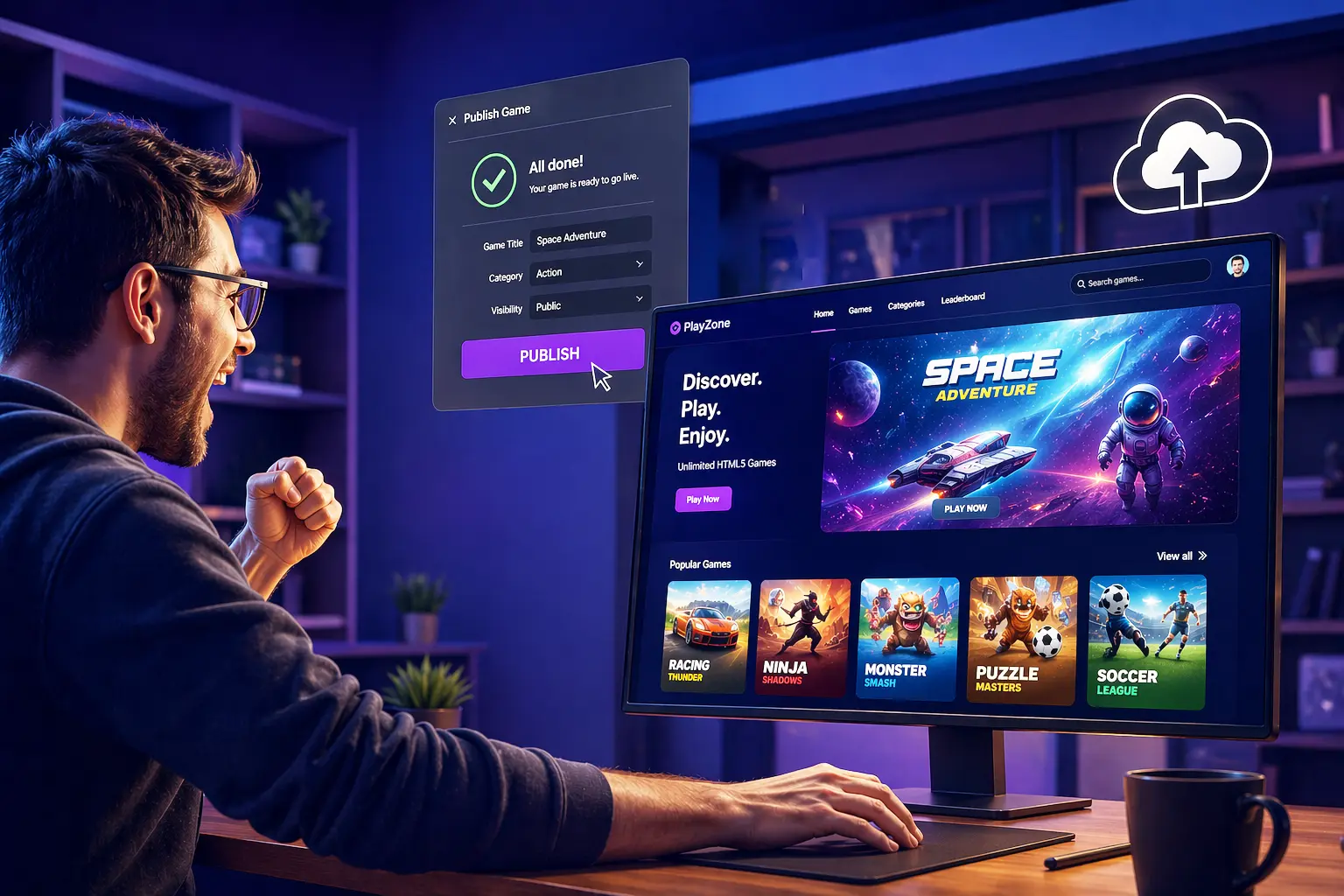
At the same time, keeping your platform technically flexible allows you to adapt quickly as new technologies and user behaviors evolve. If you encounter challenges while publishing games, it’s worth exploring a detailed technical guide like “How to Publish HTML5 Games on Your Platform?” to better understand the process and streamline your implementation.
1. Don’t Overlook Ethics in Gaming
For your portal to build a strong reputation, ethical practices play a crucial role. Responsible monetization such as avoiding exploitative microtransactions or pay-to-win systems—shows your commitment to fairness and transparency. This not only builds trust but also creates a healthier gaming environment. That’s why it’s important to work with reputable game providers.
Another key aspect is avoiding harmful or inappropriate content that could negatively impact players. Implementing proper content moderation and age-appropriate ratings demonstrates that you prioritize the well-being of your audience. In the long run, ethical practices aren’t just about doing the right thing—they’re smart business decisions. A fair and responsible platform can significantly improve user trust, retention, and overall success.
2. Think Long-Term for Sustainable Growth
Like any form of entertainment, users can lose interest in your portal over time. To prevent this, you need consistent updates, new content, and regular improvements to keep the experience fresh and engaging. In the fast-moving gaming industry, trends evolve quickly, and having a solid long-term strategy is essential for your portal’s survival. Regular updates allow you to fix bugs, introduce new features, and keep gameplay exciting. Well-planned additions—such as new challenges, events, or content—encourage players to stay longer and keep coming back.
It also shows your users that you value their experience. At the same time, a constantly evolving platform attracts new players who are looking for innovation and long-term engagement. If you want to dive deeper, it’s worth checking out our dedicated article on how to keep your portal active and thriving, written by our sales manager.
3. The Importance of Testing Before Launch
Bugs are inevitable—anyone involved in creating or purchasing games knows this well. But what matters is how effectively you identify and fix them.
To minimize issues and deliver a smooth gaming experience, thorough quality assurance (QA) testing is essential. Before adding games to your portal, take the time to properly test them and ensure they meet your performance and usability standards. One practical approach is using a “Test Before You Buy” option. For example, some providers allow you to integrate a free sample game into your platform. This lets you detect potential bugs early, evaluate performance in real conditions, and understand the integration process before making a final decision. Catching issues early helps build a stable and reliable foundation for your portal. It reduces the risk of glitches, crashes, and other disruptions that can negatively impact the user experience.
And as you know, poor user experience often leads to negative reviews and can discourage new players from trying your platform at all.
4. Why Following Trends Matters in Gaming
If you want your game portal to stay successful for years, keeping up with industry trends is essential. To keep your platform relevant and appealing, you need to embrace new genres, gameplay styles, and evolving player expectations. By actively following the gaming industry, you can spot shifts in user preferences, emerging mechanics, and new technologies early. This allows you to adapt quickly and stay ahead of the competition.
In short, continuous innovation is key. When you consistently update and evolve your portal, you not only keep your content fresh but also position your platform as a strong and competitive player in the market.
5. Final Thoughts
Building a successful and profitable gaming portal requires a well-planned strategy that brings together several key elements. In this guide, we’ve covered everything from understanding your audience and cultural diversity to embracing inclusivity and prioritizing ethical practices. Maintaining a balanced budget, implementing effective monetization strategies, and offering diverse, high-quality content are all essential for long-term success. At the same time, mastering portal management through strong SEO, smart in-game advertising, and active community engagement plays a major role in increasing visibility and retaining users.
A user-first approach is equally important. Focusing on user experience, accessibility, and community interaction helps create a platform that players enjoy and return to regularly. Additionally, staying updated with technology, planning for the future, and adapting to industry changes are crucial for sustained growth.
Finally, never underestimate the importance of ethical practices, consistent testing, and quality assurance. Combined with a commitment to innovation, these factors ensure your portal remains reliable, competitive, and appealing in the ever-evolving gaming landscape.