Apr 16, 2026
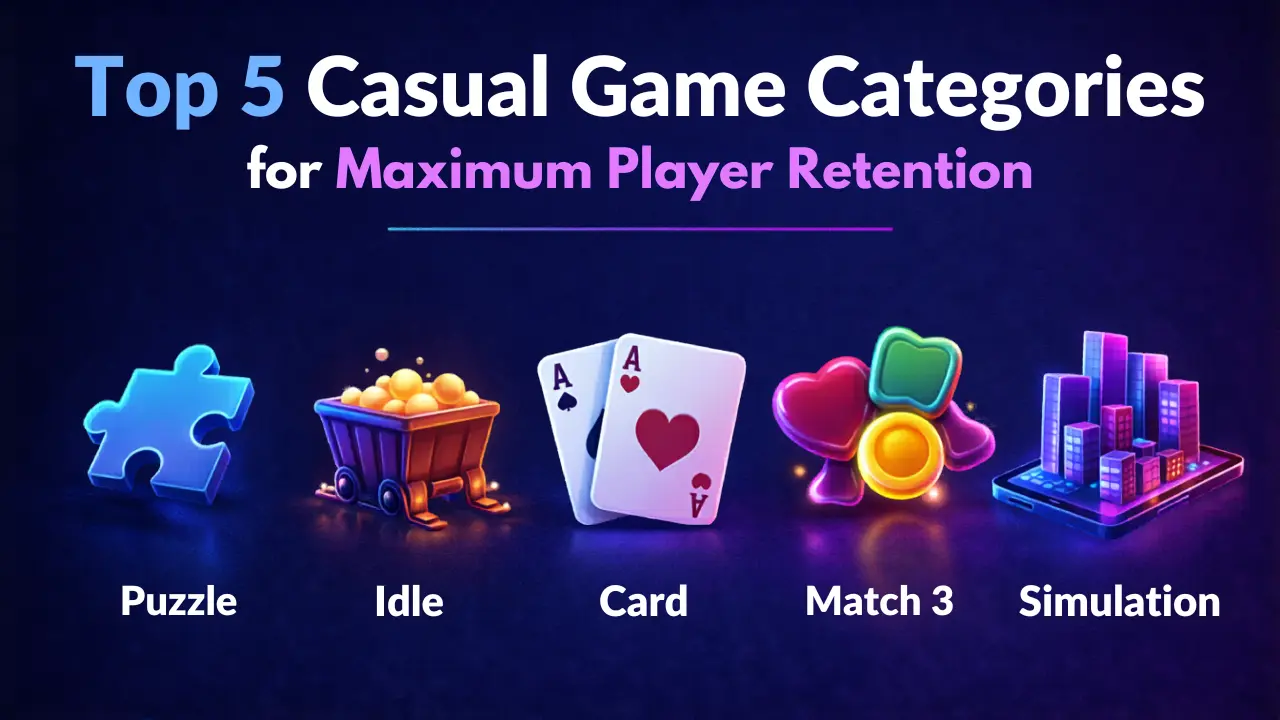
Top 5 Casual Game Categories for Maximum Player Retention
If you’re managing a game portal, one of the smartest things you can do is understand Which Types of Games Actually Keep Players Hooked. This isn’t just helpful—it’s a game-changer.
When you know what your audience loves, you can make better decisions about which games to license and promote. That means less wasted budget and a much higher return on investment. Instead of guessing, you’re investing in titles that already have a proven ability to engage. But choosing the right games is only part of the story. Long-term success also depends on how well you manage your portal overall. Pairing strong game selection with smart platform strategies is what really drives growth.
That’s exactly why this topic stands out. It’s not just theory—it’s practical insight that can help portal managers and anyone entering the gaming space make more informed decisions.
So, let’s break it down and explore some of the top-performing casual game categories—the ones that consistently keep players coming back for more. Once you’ve checked out the top game providers, it’s important to zoom out and look at the bigger picture. Successful licensing isn’t just about picking good games, it works best when paired with smart, well-planned portal management. That’s where understanding the DOs and DON’Ts of managing a gaming portal really makes a difference.
That’s exactly why this topic stood out to me. It’s packed with practical insights that can genuinely help portal managers and anyone looking to step into the gaming space.
So, let’s break it down in a simple way and take a look at some of the casual game categories that consistently perform well—and keep players coming back for more.
Puzzle Game
Puzzle games remain clear leaders when it comes to player engagement. They consistently dominate the charts across every key metric. In fact, during 2022 alone, this segment generated $9.1 billion, alongside 4.5 billion downloads. This genre covers classics such as Sudoku, Chess, Minesweeper, Mahjong, and more.
So, what really drives their impressive success overall in practice today?
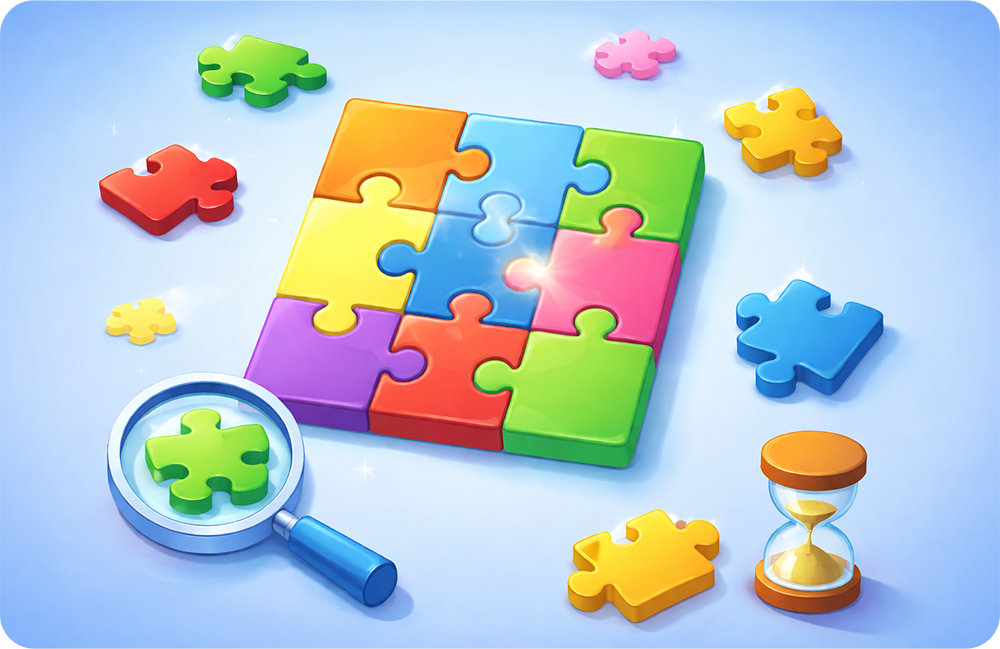
Why Puzzle Games Keep Players Hooked ?
Easy to Pick Up, Hard to Put Down
Great puzzle games present a challenge that’s simple to understand but satisfying to solve. Within seconds, players know what to do—but mastering it takes creativity and thinking.
Think of a chessboard—every move opens up new possibilities, and each player approaches it differently. That freedom keeps things interesting.
And then there’s that rewarding “aha!” moment. It’s what keeps players glued to their screens, happily spending more time solving one puzzle after another.
Endless Replay Value
One of the biggest strengths of puzzle games is that they rarely feel repetitive. Many of them use random or dynamic level generation, which means the experience stays fresh every time you play.
Take Tetris, for example—the concept stays the same, but the way blocks fall and stack creates nearly endless variations. This unpredictability is what keeps players coming back again and again.
No Experience Needed
Puzzle games are incredibly accessible. Their simple controls and clean design make them easy for anyone to pick up.You don’t need to be a hardcore gamer to enjoy them. Even complete beginners can jump in without feeling overwhelmed.
Something for Everyone
Puzzle games have a unique ability to attract players from all age groups and backgrounds. If you can tap on a screen or click a mouse, you’re ready to play. From classics like Cut the Rope, Sudoku, Tetris, Jigsaw Puzzles, and Mahjong, there’s something that appeals to almost every type of player. This wide appeal highlights just how powerful puzzle games are when it comes to reaching and engaging a diverse audience.
Card Games
Card games are also a strong highlight in the casual gaming space, bringing consistently high engagement to your portal. They combine strategy, chance, social interaction, and easy accessibility into a powerful mix that keeps players returning again and again.According to Gamigion.com, in titles like Zynga Poker, players spend around 85% of their gameplay time socially engaged, showing just how important social features are in card games.
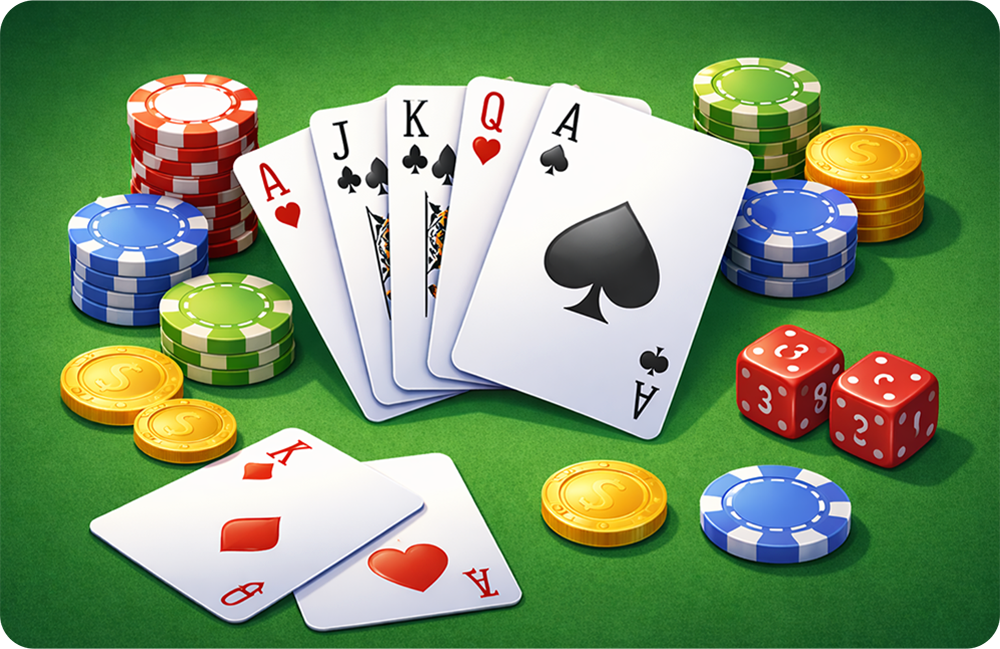
Card games build strong loyalty because they keep things exciting and engaging for players. No two hands in a card game ever play out exactly alike. Even when cards appear similar, player decisions change everything. That unpredictability is what makes these games so addictive, players keep coming back for the excitement.
Here’s the twist: a skilled strategist with bad luck can still lose to a beginner on a lucky streak. At the same time, luck alone isn’t enough without a smart approach. This unique blend of skill and chance is what sets card games apart. it’s an experience you rarely find elsewhere. They may seem simple at first, and they are easy to learn, but beneath that simplicity lies deep strategic gameplay that keeps players engaged.
Idle Games
Idle games follow a concept similar to passive income—a strategy valued by business owners for generating earnings with minimal continuous effort, even during downtime. Within gaming, idle titles apply this same principle effectively. Players set up their systems, watch progress continue, and keep earning rewards, even when they are not actively playing.
For instance, AFK Journey, a role-playing idle game launched in March 2024, clearly shows the financial potential of idle games. According to reports, within six months, this title generated nearly $158.3 million in revenue. This smooth and rewarding experience is exactly what makes idle games so engaging and highly effective at maintaining strong user retention.
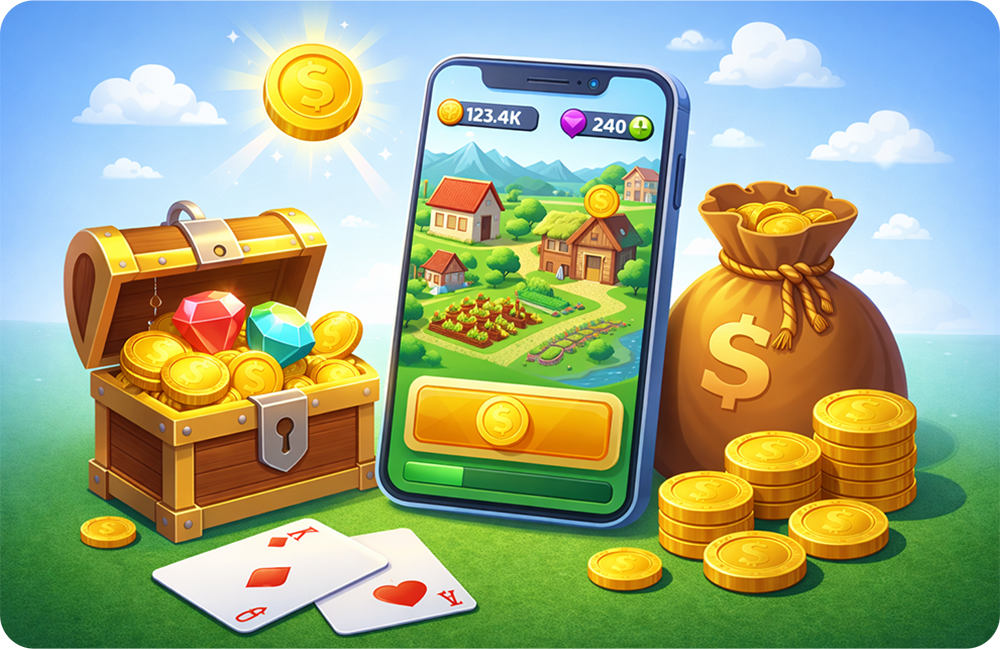
What Drives Their Strong Appeal ?
Low Effort, High Rewards
Idle games attract players who prefer a relaxed, low-commitment experience. After the initial setup, the game continues automatically, letting players gather resources and progress without constant interaction. This hands-off style increases accessibility and widens their overall appeal.
Ongoing Reward Cycles
Idle games are built around multiple systems, upgrades, and rewards that provide steady satisfaction. This design forms a powerful feedback loop, motivating players to return regularly to collect rewards, tweak strategies, and unlock even better progression.
Match-3 Games
Match-3 games, although a subset of puzzle titles, have gained their own recognition thanks to the massive success and appeal of their leading hits. They stand out as a separate category among the most engaging casual games. While Bejeweled helped introduce the genre as one of the earliest Match-3 successes, it was King’s Candy Crush series that pushed it into mainstream popularity.
One interesting aspect of Match-3 games is their strong appeal among female players. Overall, these games attract a wide and varied audience. For instance, Candy Crush Saga has around 58% female players, with a large share coming from the Generation X audience.
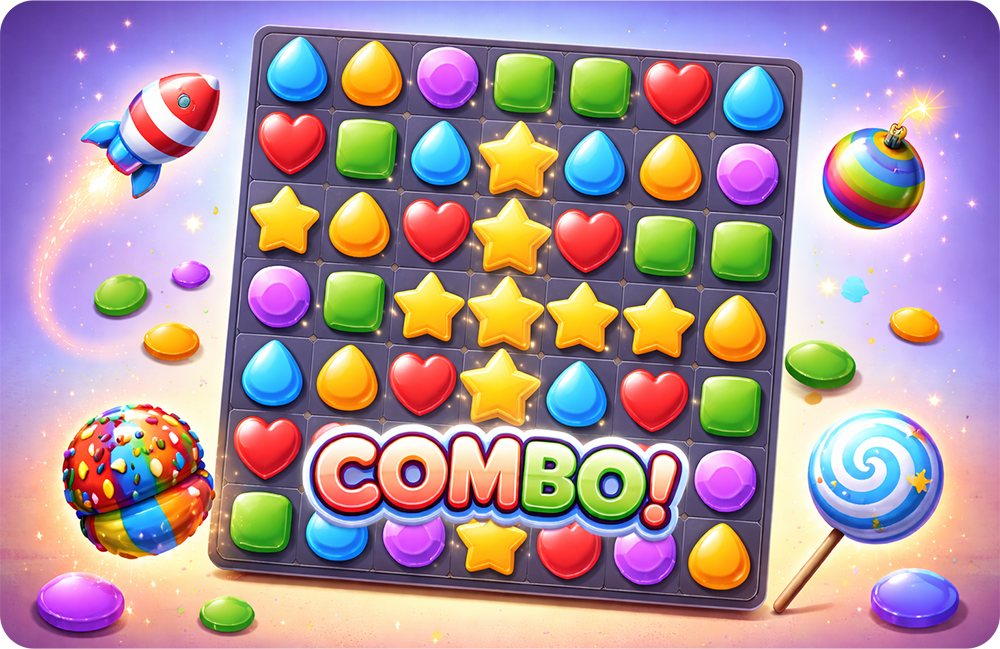
Why Match-3 Games Are So Addictive and Popular ?
Simple Yet Satisfying Mechanics
The core idea is incredibly simple—swap tiles, match three or more, and clear them from the board. It’s easy to understand within seconds, making it accessible for everyone. At the same time, completing a level feels rewarding, as if you’ve solved something more complex than it appears.
Visually Engaging Gameplay
One big reason players stay hooked is the vibrant and eye-catching design. Each level introduces new layouts, colors, and obstacles, creating a sense of curiosity about what comes next. Many players continue playing just to see the next design or challenge unfold.
Plenty of Boosters and Rewards
Match-3 games are packed with boosters, rewards, and satisfying visual effects. These elements help players progress faster while also making each move feel exciting and rewarding. From explosions of tiles to chain reactions, every action delivers a small burst of satisfaction.
Pure Fun, No Pressure
Unlike some genres that require heavy thinking or calculations, Match-3 games keep things light. There’s no need for complex strategies or math—just simple, enjoyable gameplay. This makes them perfect for a wide audience, from casual players to those just looking to relax.
Simulation Games
Simulation games may seem simple at first, managing daily life or running a small business, but they have a unique way of drawing players in. The real appeal comes from tapping into personal dreams and imagination. Everyone has goals and ideas they want to explore, and simulation games give players a space where they can bring those ideas to life. They create a world where players are in control, shaping their own environment and making decisions at their own pace—all in a calm and relaxing way.
According to The-Sun, simulation games are often linked to relaxation and stress relief. For example, a study on PowerWash Simulator showed that 72% of players felt an improvement in mood after just 15 minutes of gameplay.
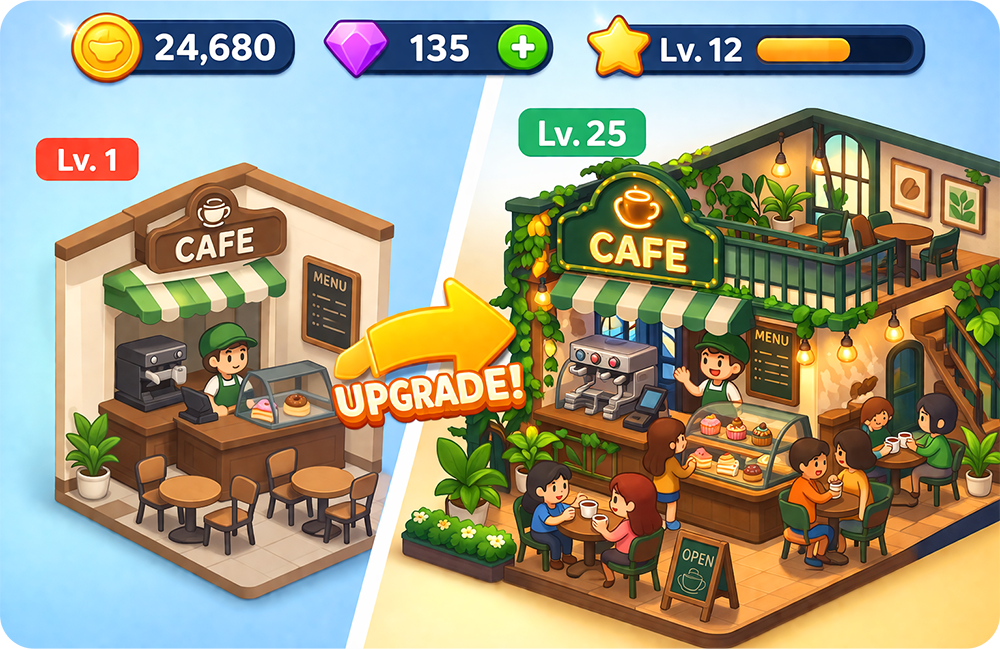
Why Simulation Games Keep Players Coming Back ?
Turning Dreams into Reality
Simulation games give players a chance to live out their ideas and imagination. Want to design your dream home, drive your favorite car, or build a perfect life? These games make it possible by offering a world where everything feels achievable.
A Sense of Ownership and Growth
Players don’t just play, they build and create. From a small setup to a successful virtual world, everything grows through their efforts. This creates a strong sense of ownership and emotional connection, as their creations begin to feel personal. That bond encourages players to return and keep improving what they’ve built.
Longer Play Sessions and Strong Retention
Building and managing a world naturally takes time, and that’s where simulation games shine. They tend to have longer session times and better retention because of their immersive nature. Players often get deeply involved, making them stay longer and return more frequently compared to other genres.
Final Thoughts
Understanding which game categories drive the highest engagement is essential for making smarter, more confident decisions when curating your gaming portal. Puzzle, card, idle, match-3, and simulation games consistently stand out. Their simple mechanics, strong replay value, rewarding experiences, and wide appeal make them highly effective at keeping players engaged. That said, there’s no universal formula. You know your audience best, and your own insights will always play a crucial role.
However, using these insights as a guide can help you make better choices when selecting game licenses—ultimately improving your portal’s performance and long-term revenue.